Your roof is one of the most important parts of your home. It protects everything beneath it from rain, wind, heat, snow, and other weather conditions. Over time, however, every roof begins to show signs of wear. When leaks appear or shingles become damaged, homeowners often face one major question: should you repair the roof or replace it entirely?
The answer depends on several factors, including the roof’s age, the extent of the damage, your budget, and your long-term plans. While repairs can solve many minor issues, replacing an aging roof may save more money in the future.
This guide explains the differences between roof repair and roof replacement, their advantages and disadvantages, and how to decide which option offers the best value.
Understanding Roof Repair
Roof repair involves fixing damaged areas without replacing the entire roofing system. Contractors usually replace missing shingles, repair flashing, seal leaks, or fix damaged underlayment.
Repairs are typically recommended when the damage is limited to a small section and the rest of the roof remains in good condition.
Common roof repairs include:
- Replacing damaged shingles
- Fixing roof leaks
- Repairing flashing around chimneys or vents
- Replacing damaged roof vents
- Sealing cracked areas
- Repairing minor storm damage
These repairs usually take less time and cost significantly less than a complete replacement.
Understanding Roof Replacement
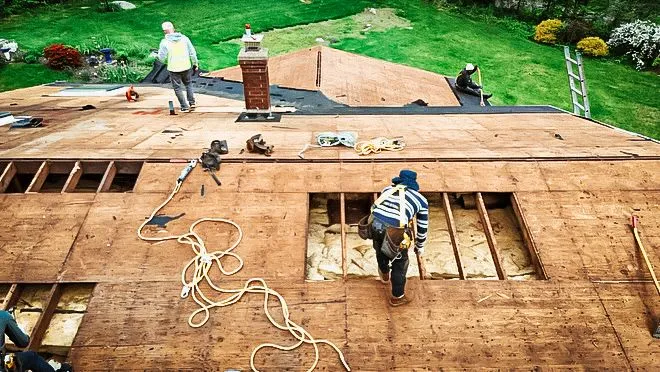
Roof replacement means removing most or all of the existing roofing materials and installing a completely new roof.
A replacement usually includes:
- Removing old shingles
- Inspecting roof decking
- Replacing damaged wood
- Installing new underlayment
- Installing new flashing
- Installing new roofing materials
- Improving ventilation if necessary
Although replacement requires a larger investment, it gives your home a brand-new roofing system that can last decades.
When Roof Repair Makes Sense
Not every roofing problem requires starting over. Repair is often the better choice when the roof still has many years of life remaining.
Repair may be the right decision if:
The Roof Is Relatively New
If your roof is less than 10 to 15 years old and was installed properly, repairing isolated damage is usually the smartest financial choice.
Damage Is Limited
A few missing shingles after a storm or one small leak doesn’t necessarily indicate widespread roofing failure.
Local repairs can restore protection without replacing the entire roof.
Budget Is Limited
Repairs require far less upfront spending, making them attractive for homeowners facing unexpected damage.
The Roof Structure Is Healthy
If the decking, insulation, and structural components remain in excellent condition, repairing the roofing material is often enough.
When Roof Replacement Is the Better Investment
Sometimes repairs become temporary solutions that cost more over time. Replacement is usually worth considering when problems continue to appear.
Replacement often makes sense when:
The Roof Has Reached Its Expected Lifespan
Every roofing material has a typical lifespan.
Average life expectancy includes:
- Asphalt shingles: 20–30 years
- Metal roofs: 40–70 years
- Clay tiles: 50–100 years
- Slate roofs: 75–150 years
An older roof nearing the end of its lifespan usually benefits more from replacement than repeated repairs.
Multiple Leaks Exist
Leaks in several locations often indicate widespread deterioration beneath the shingles.
Fixing each leak individually may only delay inevitable replacement.
Storm Damage Is Extensive
Severe hail, hurricanes, falling trees, or windstorms can damage large sections of the roof.
Insurance may even recommend replacement when damage affects a significant portion of the roofing system.
Shingles Are Curling or Cracking
Visible aging signs often indicate roofing materials have lost their protective qualities.
Common warning signs include:
- Curling edges
- Bald spots
- Granule loss
- Widespread cracking
- Buckling shingles
These issues usually appear throughout the roof rather than in isolated areas.
The Roof Is Sagging
A sagging roof may indicate structural damage beneath the surface.
This problem requires immediate professional inspection and often complete replacement.
Comparing Costs
Cost is one of the biggest deciding factors.
Roof Repair Costs
Repair expenses vary depending on:
- Type of roofing material
- Size of damaged area
- Accessibility
- Labor costs
- Severity of damage
Minor repairs are generally affordable, while extensive leak repairs become more expensive.
Roof Replacement Costs
Replacement costs depend on:
- Roof size
- Material selection
- Labor
- Deck repairs
- Disposal fees
- Local building codes
Although replacement costs considerably more upfront, it eliminates ongoing repair bills for many years.
Long-Term Value
Looking only at today’s price doesn’t always produce the best financial decision.
For example:
A homeowner may spend money repairing an old roof every year. After several years, those repair costs may equal or exceed the cost of installing a completely new roof.
A new roof also reduces maintenance needs while increasing reliability.
Energy Efficiency
Older roofs often allow heat to escape during winter and absorb excessive heat during summer.
Modern roofing systems provide:
- Better insulation
- Improved ventilation
- Reflective roofing materials
- Lower cooling costs
- Better indoor comfort
Replacing an outdated roof may reduce energy bills over time.
Home Value
A new roof can improve a home’s appearance while increasing buyer confidence.
Potential buyers often worry about expensive roof repairs after purchasing a home.
A recently installed roof may:
- Improve curb appeal
- Increase resale value
- Speed up home sales
- Reduce buyer negotiations
An aging roof, even with recent repairs, may discourage buyers.
Insurance Considerations
Insurance companies often treat repairs and replacements differently.
Policies may cover:
- Wind damage
- Hail damage
- Fire damage
- Fallen trees
- Certain storm-related events
However, insurance usually doesn’t cover damage caused by normal aging or lack of maintenance.
Always review your policy before beginning major roofing work.
Signs You Shouldn’t Ignore
Certain warning signs indicate roofing problems require immediate attention.
Watch for:
- Water stains on ceilings
- Mold growth
- Missing shingles
- Loose flashing
- Daylight visible through the attic
- Frequent leaks
- Soft roof decking
- High energy bills
- Sagging roof sections
Ignoring these issues often leads to more expensive repairs later.
Pros and Cons of Roof Repair
Pros
- Lower upfront cost
- Faster completion
- Less disruption
- Extends roof life
- Ideal for isolated damage
Cons
- Doesn’t solve aging problems
- Repairs may not perfectly match existing shingles
- Repeated repairs become expensive
- Hidden damage may remain
Pros and Cons of Roof Replacement
Pros
- Long-lasting solution
- Better energy efficiency
- Increased home value
- Improved appearance
- Fewer future repairs
- New warranty protection
Cons
- Higher upfront cost
- Longer installation time
- Greater disruption during construction
Questions to Ask Before Deciding
Before choosing repair or replacement, ask yourself:
- How old is the roof?
- Is damage isolated or widespread?
- How often have repairs been needed?
- Are leaks becoming more frequent?
- Will I stay in this home for many years?
- Does replacing now save money later?
- Is insurance covering any costs?
Honest answers can make the decision much easier.
Tips for Extending Roof Life
Whether you repair or replace your roof, proper maintenance helps maximize its lifespan.
Helpful maintenance habits include:
- Clean gutters regularly.
- Remove leaves and debris.
- Trim overhanging branches.
- Inspect the roof after storms.
- Repair minor damage quickly.
- Check attic ventilation.
- Schedule professional inspections every few years.
Preventive maintenance is often less expensive than emergency repairs.
Final Thoughts
Choosing between roof repair and roof replacement depends on the condition of your roof, your budget, and your long-term goals. If the damage is minor and the roof is still relatively new, repairs are usually the most cost-effective solution. However, if your roof is old, has widespread damage, or requires constant fixes, replacing it can provide greater value, improved energy efficiency, and lasting peace of mind.
Instead of focusing only on the initial cost, consider the long-term benefits. A well-maintained roof protects your home, improves comfort, and reduces the likelihood of costly problems in the future. Evaluating both immediate expenses and future savings will help you make the decision that’s truly worth it.