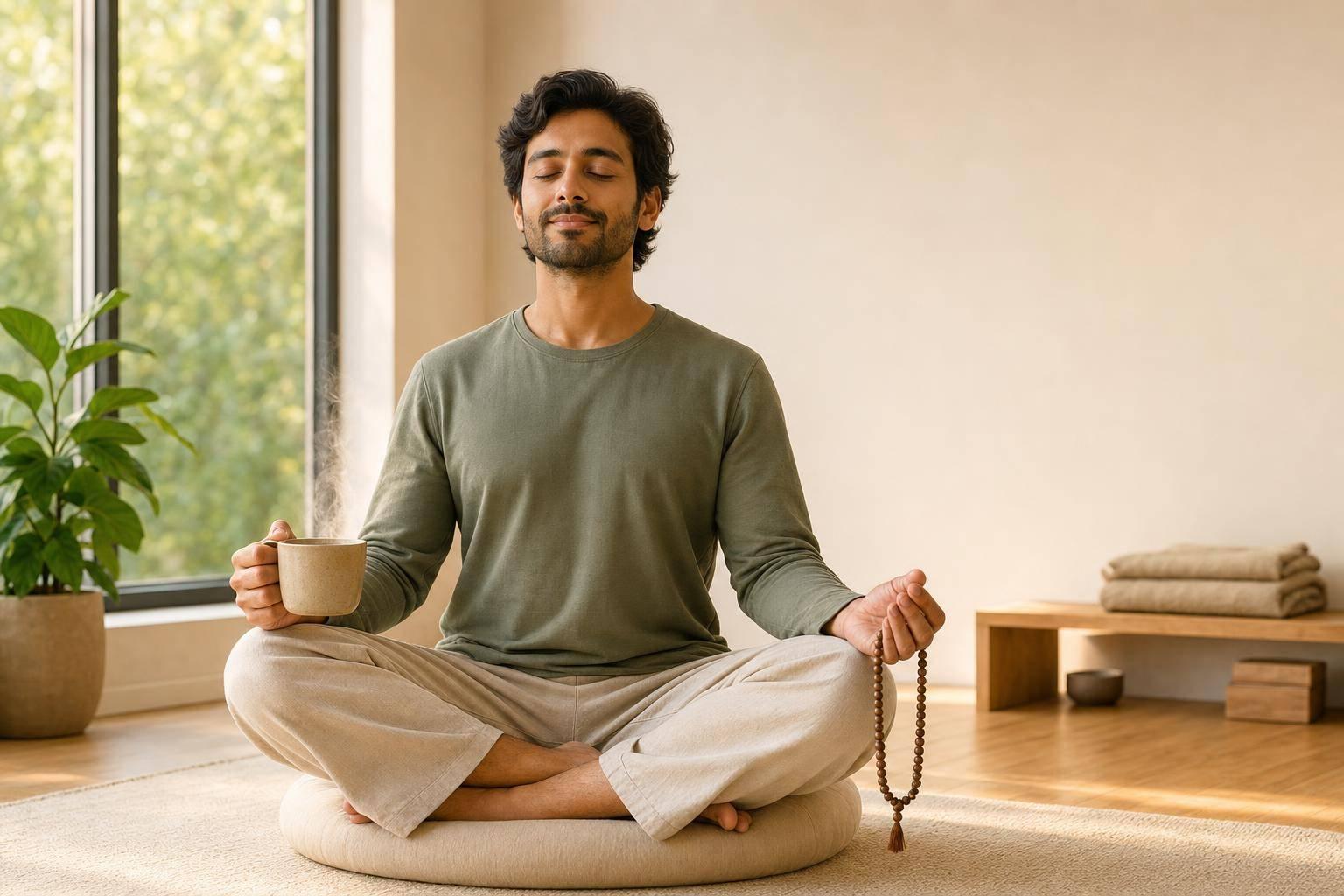
In today’s fast-paced world, many people are searching for simple ways to reduce stress, improve focus, and feel more balanced. Two of the most popular approaches are meditation and mindfulness. Although these terms are often used interchangeably, they are not exactly the same. Understanding the difference can help you choose the practice that best fits your lifestyle, personality, and goals.
This guide explains what meditation and mindfulness are, how they differ, their benefits, and how to decide which practice is right for you.
Understanding Meditation
Meditation is a structured practice that involves setting aside dedicated time to train the mind. During meditation, you intentionally focus your attention on something specific, such as your breathing, a word, a sound, or bodily sensations. The goal is not to stop thinking completely but to observe your thoughts without becoming attached to them.
Meditation has been practiced for thousands of years in many cultures and traditions. Today, it is widely used to support mental health, emotional well-being, and personal growth.
Common forms of meditation include:
- Breath-focused meditation
- Guided meditation
- Loving-kindness meditation
- Body scan meditation
- Mantra meditation
- Transcendental meditation
Each style offers a different experience, but all encourage greater awareness and mental clarity.
Understanding Mindfulness
Mindfulness is the practice of paying full attention to the present moment without judgment. Unlike meditation, mindfulness does not require sitting quietly or following a formal routine. It can be practiced during everyday activities like eating, walking, working, or having conversations.
The purpose of mindfulness is to become more aware of your thoughts, emotions, and surroundings instead of operating on autopilot.
For example, while drinking a cup of tea mindfully, you notice its warmth, aroma, taste, and texture instead of scrolling through your phone or thinking about tomorrow’s tasks.
Mindfulness helps people become more connected with daily life and respond calmly rather than react automatically.
Key Differences
Although meditation and mindfulness are closely related, they have distinct characteristics.
Meditation is usually a planned activity that takes place during a specific period. It often involves sitting quietly in a comfortable position and focusing your attention for several minutes.
Mindfulness is more flexible. It can happen anytime and anywhere while you are engaged in normal daily activities. Instead of setting aside time, you bring awareness to whatever you are already doing.
In simple terms, meditation is a dedicated exercise, while mindfulness is a way of living with greater awareness.
Benefits of Meditation
A consistent meditation practice can provide numerous physical and mental benefits.
Reduces Stress
Meditation helps calm the nervous system and lowers feelings of anxiety. Even ten minutes of daily practice can help reduce stress levels over time.
Improves Focus
Regular meditation trains the brain to maintain attention for longer periods, making it easier to concentrate on work, studies, and daily tasks.
Supports Emotional Health
Meditation encourages emotional awareness and helps people manage difficult emotions with greater patience and understanding.
Enhances Sleep
Many individuals find that meditation relaxes both the mind and body, making it easier to fall asleep and enjoy better-quality rest.
Encourages Self-Awareness
Meditation creates space for self-reflection, helping people better understand their habits, emotions, and personal goals.
Benefits of Mindfulness
Mindfulness also offers many advantages that can improve overall well-being.
Reduces Daily Stress
Being fully present helps reduce worrying about the future and dwelling on the past.
Improves Relationships
Mindfulness encourages active listening and greater empathy, leading to healthier communication with others.
Increases Productivity
By focusing on one task at a time, mindfulness reduces distractions and improves efficiency.
Supports Better Decisions
Mindfulness helps people pause before reacting emotionally, leading to more thoughtful choices.
Makes Everyday Life More Enjoyable
Simple moments like eating, walking, or spending time with family become richer when experienced with full attention.
Which Practice Is Easier for Beginners?
Many beginners find mindfulness easier because it does not require a dedicated schedule. You simply become more aware during everyday activities.
Meditation may feel challenging at first because sitting quietly often brings many thoughts to the surface. However, this is completely normal. With regular practice, meditation usually becomes easier and more rewarding.
If you struggle to sit still, start with mindfulness. If you enjoy routines and quiet reflection, meditation may suit you better.
Can You Practice Both?
Absolutely.
Meditation and mindfulness complement each other extremely well. Meditation strengthens your ability to stay focused, while mindfulness allows you to apply that skill throughout the day.
For example, you might meditate for 15 minutes each morning and practice mindfulness while driving, eating lunch, or working.
Combining both practices often provides greater long-term benefits than relying on only one.
Choosing the Right Practice
The best choice depends on your goals.
If you want a structured routine that improves concentration and emotional balance, meditation is an excellent option.
If your goal is to become more present during daily life without setting aside extra time, mindfulness may be the better fit.
People seeking stress relief, better sleep, or deeper self-awareness often enjoy meditation. Those wanting greater awareness throughout busy schedules may prefer mindfulness.
There is no universal answer because every person experiences these practices differently.
Tips for Getting Started
Starting small increases your chances of building a lasting habit.
- Begin with five to ten minutes each day.
- Focus on your breathing without trying to control every thought.
- Practice mindfulness during everyday activities like walking or eating.
- Avoid judging yourself if your mind wanders.
- Stay consistent rather than aiming for perfection.
Small daily efforts often produce noticeable improvements over time.
Common Misconceptions
Many people believe meditation requires completely clearing the mind. In reality, thoughts naturally arise during meditation. The goal is simply to notice them and gently return your attention to your chosen focus.
Another misconception is that mindfulness means always feeling calm. Mindfulness is actually about noticing your experiences honestly, whether they are pleasant or difficult, without immediately reacting.
Understanding these ideas helps remove unnecessary pressure from both practices.
Conclusion
Meditation and mindfulness share the common goal of improving awareness, reducing stress, and supporting overall well-being, but they approach that goal differently. Meditation is a structured practice that trains the mind through dedicated sessions, while mindfulness brings present-moment awareness into everyday life.
Neither practice is better than the other. The right choice depends on your personal preferences, schedule, and goals. Many people discover that combining meditation with mindfulness creates a balanced approach that supports both inner calm and daily resilience.
Whether you start with five minutes of meditation or simply become more mindful during ordinary moments, every small step can contribute to a healthier, more focused, and more peaceful life.