Windows do much more than bring natural light into a home. They influence privacy, indoor temperature, glare, furniture protection, and the overall character of a room.
That is why choosing window coverings should involve more than simply selecting a fabric or color that looks attractive. The most effective window treatments balance design with the practical needs of the space.
For homeowners planning a renovation, updating a single room, or furnishing an entire property, understanding these factors can make the final result both more functional and more visually cohesive.
Start With How Each Room Is Used
Before comparing blinds, shades, shutters, or drapery, think about what each room needs to accomplish.
A bedroom may require significant light blocking and privacy, while a living room might benefit from filtered natural light and an unobstructed view. Kitchens and bathrooms may require materials that can handle moisture, while large gathering spaces may need treatments that are easy to operate.
Choosing treatments according to the room’s function prevents homeowners from selecting a product based only on appearance.
Consider Light Control Throughout the Day
Natural light changes dramatically from morning to evening.
Rooms that receive strong sunlight may experience glare, excessive brightness, and fading of flooring, furniture, artwork, or fabrics over time. Other rooms may need maximum daylight to feel open and inviting.
The right window covering lets homeowners control that balance.
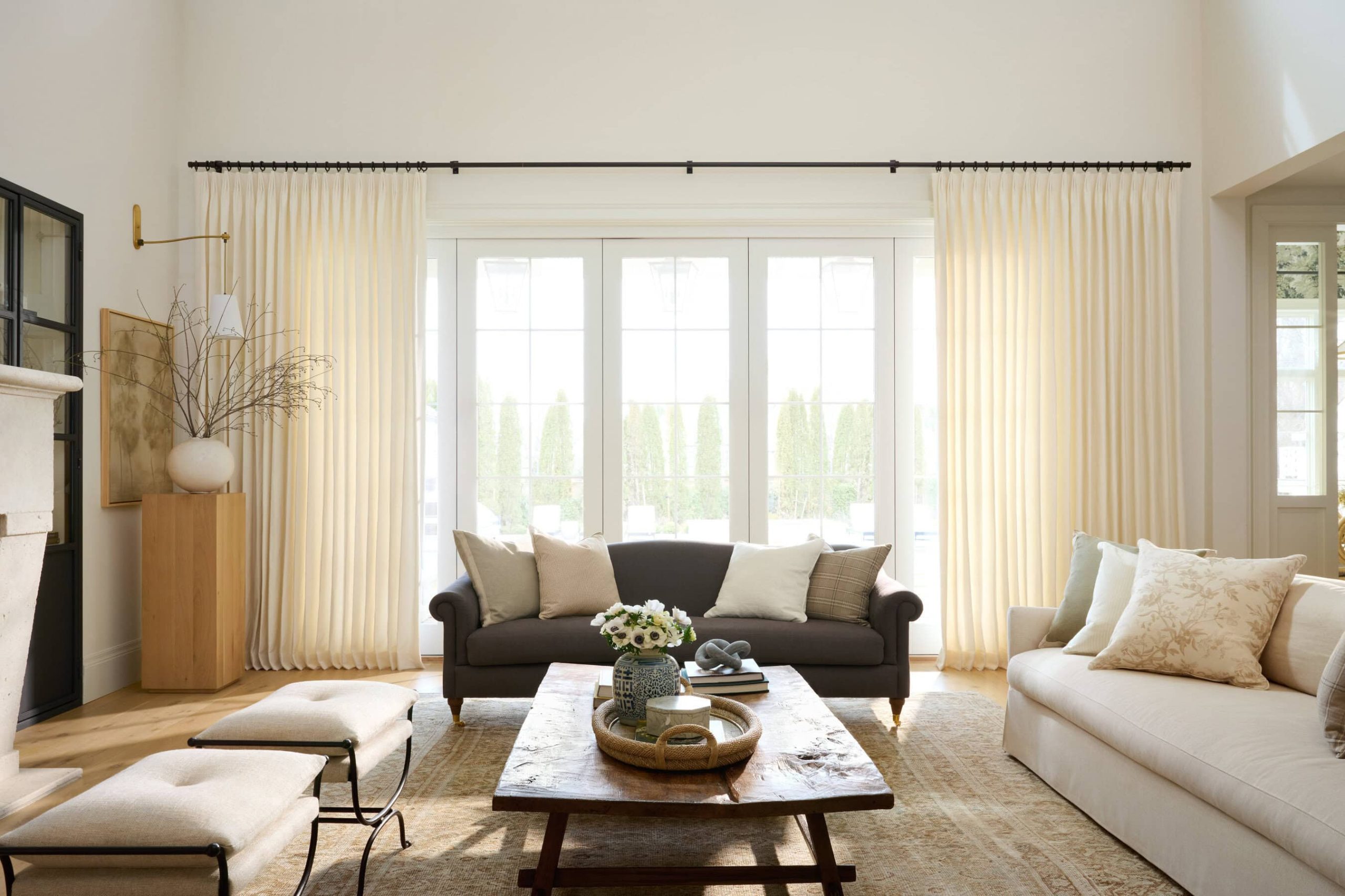
Solar and roller shades can help reduce glare, while sheer treatments can soften incoming light without making the room feel closed off. Blackout options can be useful in bedrooms, media rooms, and other spaces where darkness matters.
Make Privacy Part of the Design
Privacy needs also vary from room to room.
Street-facing windows, bedrooms, bathrooms, and first-floor living areas often require more coverage than windows overlooking private outdoor spaces.
Instead of simply keeping coverings completely open or closed, homeowners can choose options that provide more flexible control. Certain shades, shutters, and layered treatments allow light to enter while limiting visibility from outside.
For homeowners looking for Custom Window Treatments In Southampton, working with treatments made specifically for each window can make it easier to balance privacy, light, and the home’s architectural style.
Think Beyond Standard Window Sizes
One of the limitations of ready-made window coverings is that homes rarely have perfectly standardized windows.
Large Windows and Glass Doors
Wide windows and sliding doors may require specialized products that remain practical to operate.
Tall or Hard-to-Reach Windows
High windows can benefit from motorized treatments that eliminate the need to manually adjust coverings.
Unusual Window Shapes
Arches, narrow windows, and architectural openings may need custom measurements to achieve a clean, intentional appearance.
Proper fit is especially important because even a high-quality treatment can look unfinished if it is incorrectly sized.
Choose Materials for the Environment
Different materials perform differently depending on the room.
Real wood can bring warmth and character to living spaces, while moisture-resistant alternatives may be better suited to bathrooms or kitchens. Fabric treatments can add softness and texture, while shutters can create a more architectural look.
Homeowners should also consider how the material will interact with flooring, wall colors, furniture, and existing trim.
The goal should be coordination rather than forcing every room to use exactly the same window treatment.
Consider Motorization for Convenience
Motorized window treatments are increasingly useful in homes with large windows, high ceilings, or multiple rooms.
Automation allows homeowners to adjust shades without walking from window to window. Depending on the system, treatments may also be scheduled to open or close at particular times.
This can make managing light and privacy more convenient, especially in homes with numerous windows.
Motorization is not necessary everywhere, however. Using it strategically in difficult-to-reach or frequently adjusted areas may provide the greatest benefit.
Professional Measurement Can Prevent Costly Mistakes
Custom window treatments depend heavily on accurate measurements.
Small errors can create gaps, interfere with operation, or result in treatments that do not align properly with the window frame.
Professional measurement and installation help ensure that the finished treatment fits the opening correctly and operates as intended.
This becomes increasingly important when coordinating several rooms or working with unusually shaped or oversized windows.
Final Thoughts
The best window treatments combine appearance with everyday function.
Homeowners should consider how much light each room receives, how much privacy it requires, the dimensions of the windows, material durability, and how often the treatments will be adjusted.
By planning around these practical factors rather than choosing on appearance alone, homeowners can create spaces that feel more comfortable, polished, and suited to the way they actually live.