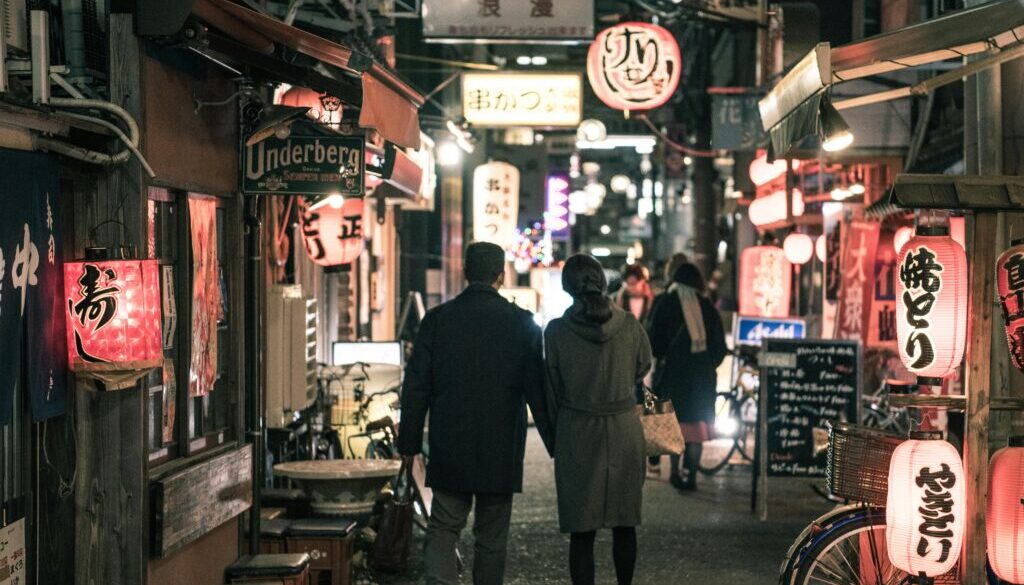
Rome welcomes visitors from around the world. Japanese tourists are part of this international audience, and many local businesses want to make their services easier for Japanese visitors to understand. Restaurants, hotels, shops, tour operators, museums, and other businesses often use Japanese signs, menus, notices, and service information.
Good Japanese content requires more than changing Italian words into Japanese words. Businesses need accurate wording, suitable tone, clear formatting, and cultural awareness. Poor translation creates confusion and often gives visitors a weak impression of the business.
Using professional japanese translation services helps Rome businesses prepare information for Japanese customers with greater accuracy.
Start With the Purpose of Each Text
Before translating anything, identify where the Japanese text will appear and what the visitor needs to understand.
A restaurant menu has different requirements from a hotel sign. A museum notice has different requirements from a shopping advertisement.
For example, a restaurant menu needs clear information about:
• Dish names
• Ingredients
• Allergens
• Prices
• Portion information
• Preparation methods
• Dietary details
A hotel needs wording for:
• Check-in instructions
• Room information
• House rules
• Breakfast details
• Emergency notices
• Directions
A translator needs this context before starting the work. Giving only a list of Italian words often produces unnatural Japanese.
Keep Restaurant Menus Clear
Food translation deserves careful attention. Italian dishes often include ingredients or preparation methods familiar to local customers but less familiar to Japanese visitors.
A menu should explain important details without becoming difficult to read.
For example, a dish containing a specific type of cheese, cured meat, or regional ingredient needs appropriate Japanese wording. Translators also need to decide when an Italian food name should stay in its original form and when an explanation should appear beside it.
The same issue applies to cooking terms. Words describing grilled, baked, fried, raw, or slow-cooked food need accurate Japanese equivalents.
Restaurants should also review allergy information. A small translation mistake in an ingredient description creates a serious communication problem.
Pay Attention to Signage
Signs often contain only a few words, but short text still requires careful translation.
Consider signs such as:
• Entrance
• Exit
• Restrooms
• Reception
• Staff only
• No smoking
• Reserved seating
• Please wait here
A direct translation might look correct while sounding unnatural to Japanese readers. The wording needs to fit the purpose of the sign and the level of formality expected in the location.
Design also matters. Japanese text often has different spacing and character density from Italian text. A sign designed around Italian wording might need layout changes after Japanese text is added.
Businesses should test the translated text within the actual design before printing large quantities.
Use the Right Level of Formality
Japanese communication places strong importance on formality and politeness. The right tone depends on the audience and situation.
A luxury hotel, for example, needs a different tone from a casual restaurant. A museum notice requires clear and respectful wording. A promotional message needs natural commercial language.
Professional japanese translation services help businesses choose wording suited to each situation instead of relying on direct word replacement.
This becomes especially important for customer service messages. Phrases used by staff, written notices, and online booking instructions should feel consistent.
Check Names and Place Information
Rome has many historic places, streets, districts, and landmarks. Businesses often mention these locations in menus, brochures, websites, and signs.
Names need consistent treatment across all customer-facing material.
A hotel, for example, should use the same Japanese representation of its address on its website, booking page, printed brochure, and reception materials. Differences between documents create unnecessary confusion.
Businesses should prepare a reference list containing official names, addresses, opening hours, telephone numbers, and other recurring details. Translators then have a reliable source for future updates.
Review the Final Design
Translation should not end when the text is approved.
The Japanese content needs a final review inside the finished sign, menu, brochure, or website. This step helps identify formatting problems, missing characters, awkward line breaks, and incorrect placement.
A restaurant might have a beautifully designed menu in Italian, but the Japanese section could become crowded if the layout is not adjusted. A hotel sign might also need a different font size to keep Japanese text easy to read.
Businesses should review both language and presentation before publishing.
Keep Terminology Consistent
Consistency matters when a business uses Japanese content across several channels.
Suppose a hotel uses one Japanese term for its reception desk on a website and another term on its printed signs. Visitors might wonder whether the two terms refer to different places.
A simple terminology sheet helps prevent this problem.
The sheet should include:
• Business names
• Product names
• Service names
• Location names
• Common customer instructions
• Brand terminology
• Frequently used food terms
The translator should follow this reference throughout the project.
Review With a Japanese-Speaking Specialist
A final review by a qualified Japanese speaker adds another layer of quality control.
The reviewer should check whether the text sounds natural, whether the tone suits the business, and whether the information matches the original Italian content.
This review works best when the person understands both languages and the business context. A native Japanese speaker without knowledge of the source material might miss an important meaning from the original text.
Rome businesses should also keep approved translations for future use. When menus, signs, or service pages need updates, the existing terminology gives the next project a clear starting point.
Build a Better Experience for Japanese Visitors
Japanese signage and menus should help visitors understand a business without unnecessary effort. Clear wording, accurate information, suitable formality, consistent terminology, and proper formatting all contribute to a better customer experience.
For Rome businesses, professional japanese translation services provide a practical way to manage these requirements. The goal is simple. Japanese visitors should understand what your business offers, how your services work, and what they need to do next.
Businesses that treat translation as part of customer communication rather than a basic word conversion process are better prepared to serve international visitors. A careful translation workflow also reduces corrections, printing costs, and communication problems after publication.