Lighting has the power to completely transform a home. A well-lit room feels larger, cleaner, warmer, and more welcoming, while poor lighting can make even a spacious area appear cramped and dull. Whether you live in a small apartment, a cozy house, or simply want to improve the atmosphere of your home, choosing the right lighting can make a noticeable difference.
The good news is that you don’t always need expensive renovations to create a brighter, more open space. With smart lighting choices, proper fixture placement, and a few design tricks, you can make every room feel bigger and more comfortable.
This guide explores practical lighting ideas that improve both the appearance and functionality of every room in your home.
Layering
One of the biggest lighting mistakes is relying on a single ceiling light. Instead, designers recommend using layered lighting, which combines different light sources to create depth and balance.
The three main lighting layers include:
- Ambient lighting for overall brightness
- Task lighting for specific activities
- Accent lighting to highlight architectural features or décor
Using these together prevents dark corners and creates a more spacious appearance.
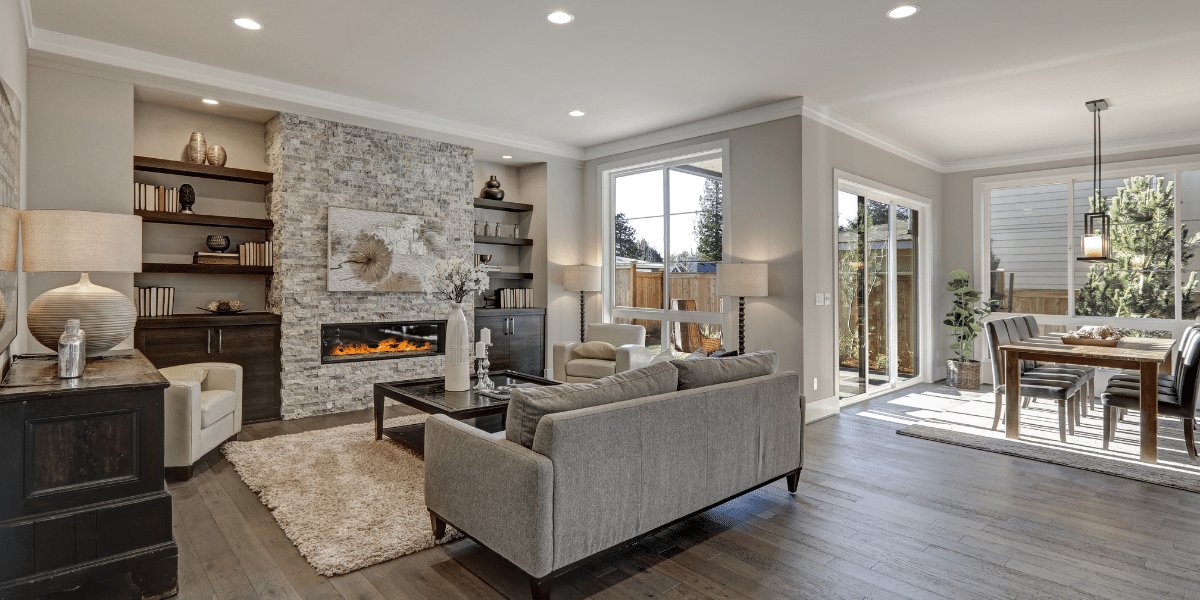
For example, a living room might include recessed ceiling lights, a floor lamp beside the sofa, and wall sconces highlighting artwork. The combination spreads light evenly across the room.
Natural
Natural light is the easiest way to make any room appear larger.
Keep windows as open as possible during the day. Avoid placing bulky furniture directly in front of windows, and choose light-colored curtains that allow sunlight to pass through.
Sheer curtains are often better than heavy blackout drapes if privacy isn’t a concern.
Regularly cleaning windows also helps maximize the amount of sunlight entering your home.
Bulbs
Not all light bulbs produce the same effect.
Choose bulbs with the right color temperature for each room.
- Warm white (2700K–3000K) creates a cozy atmosphere in bedrooms and living rooms.
- Neutral white (3500K–4000K) works well in kitchens and bathrooms.
- Daylight bulbs (5000K–6500K) provide bright illumination for offices and workspaces.
LED bulbs are the best option because they last longer, consume less electricity, and produce excellent brightness.
Mirrors
Mirrors are one of the simplest ways to increase brightness.
Position mirrors opposite windows whenever possible. They reflect both daylight and artificial light throughout the room, making spaces feel larger.
Large wall mirrors, mirrored closet doors, and decorative mirror panels all help expand visual space.
Even a small mirror near a lamp can increase the amount of reflected light.
Walls
Light-colored walls naturally reflect more light than darker shades.
White, cream, pale gray, light beige, and soft pastels help bounce light around the room, creating an airy atmosphere.
Dark paint absorbs light, making spaces appear smaller unless additional lighting is installed.
Glossy or satin paint finishes also reflect slightly more light than flat finishes.
Ceilings
Bright ceilings make rooms feel taller.
Painting ceilings white or another light shade helps reflect overhead lighting throughout the room.
In spaces with low ceilings, recessed lighting or flush-mount fixtures prevent visual clutter while maintaining brightness.
Avoid oversized hanging fixtures in small rooms unless ceiling height allows.
Corners
Dark corners make rooms seem smaller than they actually are.
Place floor lamps, table lamps, or wall sconces in these areas to eliminate shadows.
Even small accent lights can brighten forgotten spaces and create a more balanced room.
Lighting every corner helps the eye perceive the room as larger.
Fixtures
Choose lighting fixtures that suit the room’s size.
Small rooms benefit from sleek, simple designs that don’t overwhelm the space.
Glass, chrome, and minimalist fixtures reflect more light than bulky dark-colored fixtures.
Pendant lights work well over dining tables or kitchen islands, while recessed lighting is ideal for keeping ceilings visually open.
Dimmers
Installing dimmer switches provides flexibility throughout the day.
Bright lighting is useful for cleaning, cooking, or working, while softer lighting creates a relaxing atmosphere in the evening.
Dimmers also improve energy efficiency by reducing electricity usage when full brightness isn’t necessary.
Kitchen
The kitchen needs bright, even lighting for both safety and appearance.
Combine ceiling lights with under-cabinet lighting to remove shadows from countertops.
Pendant lights above islands provide additional task lighting while adding style.
Light-colored backsplashes and reflective countertops further enhance brightness.
Living
Living rooms benefit from multiple light sources rather than one central fixture.
Combine ceiling lighting with floor lamps, table lamps, and wall sconces.
Accent lighting behind televisions or bookshelves adds depth and visual interest.
Keep lamp shades light in color to maximize brightness.
Bedroom
Bedrooms should balance relaxation with functionality.
Use bedside lamps for reading while maintaining soft overhead lighting for general illumination.
Warm white bulbs create a calm atmosphere that supports better sleep.
Avoid harsh blue-toned lighting before bedtime.
Bathroom
Bathrooms require bright, shadow-free lighting.
Install vanity lights on both sides of the mirror whenever possible.
Ceiling lighting alone often creates shadows on the face, making grooming more difficult.
Moisture-resistant LED fixtures offer long-lasting performance.
Hallways
Hallways are often overlooked but significantly affect how spacious a home feels.
Bright ceiling lights, wall sconces, or recessed fixtures keep hallways inviting instead of narrow and dark.
If possible, place a mirror at one end to reflect additional light.
Smart
Smart lighting systems make controlling brightness easier than ever.
You can schedule lights to turn on automatically, adjust brightness remotely, or change color temperature throughout the day.
Voice control and smartphone apps provide additional convenience while improving energy efficiency.
Outdoor
Exterior lighting also influences how your home feels from the inside.
Well-lit patios, porches, and gardens extend the visual boundaries beyond windows, making interior spaces appear larger during the evening.
Use pathway lights, wall-mounted fixtures, and landscape lighting to create depth outdoors.
Common Mistakes
Many homeowners unknowingly reduce brightness through poor lighting choices.
Common mistakes include:
- Using only one ceiling light
- Choosing bulbs with insufficient brightness
- Blocking windows with furniture
- Ignoring dark corners
- Selecting dark lamp shades
- Installing fixtures that are too small or too large
- Forgetting task lighting in work areas
- Mixing inconsistent bulb colors throughout the home
Avoiding these mistakes creates a more balanced and inviting environment.
Budget
Improving lighting doesn’t have to be expensive.
Affordable upgrades include:
- Replacing old bulbs with brighter LEDs
- Adding floor or table lamps
- Installing under-cabinet lighting
- Hanging mirrors opposite windows
- Painting walls lighter colors
- Using sheer curtains
- Cleaning light fixtures regularly
- Rearranging furniture to allow more natural light
Small changes often deliver noticeable improvements without major remodeling.
Conclusion
The right lighting can completely change how a room looks and feels. By combining natural light, layered lighting, reflective surfaces, and energy-efficient fixtures, you can make even small spaces appear larger, brighter, and more welcoming. Whether you’re updating a single room or your entire home, thoughtful lighting choices improve comfort, functionality, and overall style while helping your home feel more open every day.