During hot summer months, the temperature inside an attic can rise significantly due to direct sunlight heating the roof surface. This trapped heat can transfer into living areas, forcing cooling systems to work harder and increasing household energy expenses. Poor attic ventilation can also contribute to moisture problems, reduced insulation performance, and premature deterioration of roofing materials.
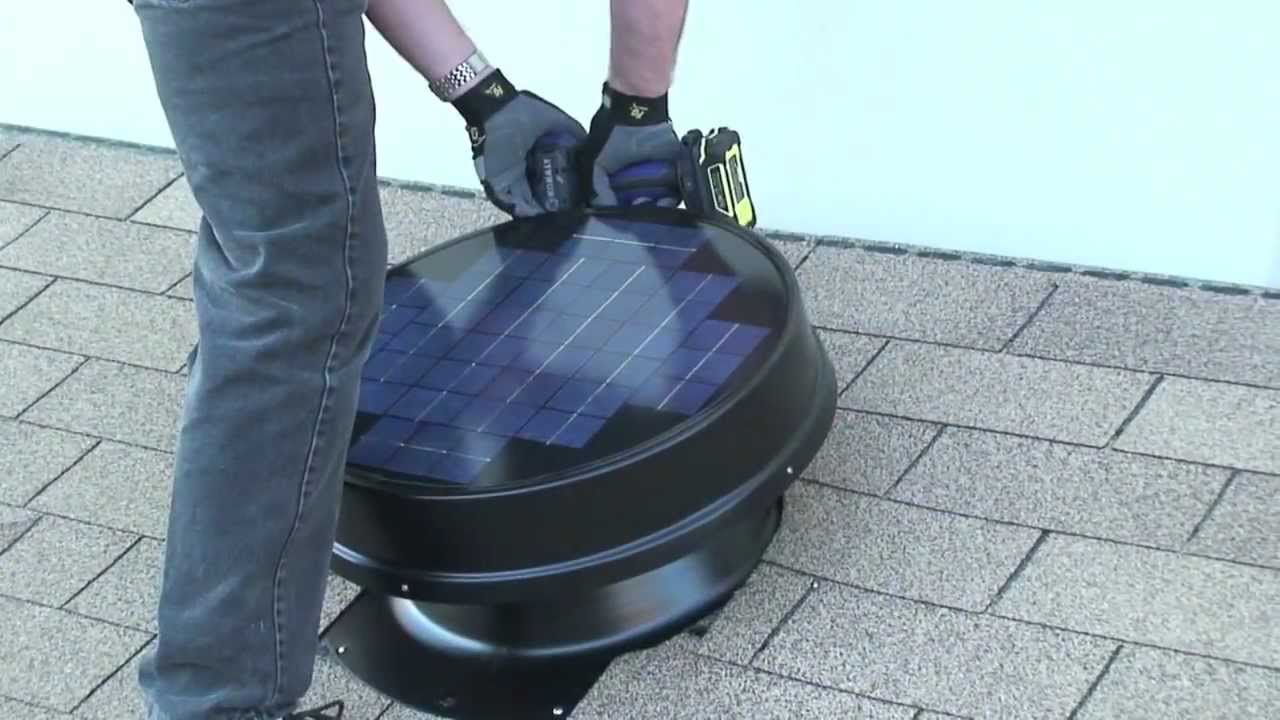
Solar attic fans provide an energy-efficient solution by using sunlight to power ventilation fans that remove hot air from attic spaces. These systems help improve airflow, reduce heat buildup, and create a more balanced indoor environment without relying heavily on household electricity.
A properly installed solar attic fan can become an effective home improvement upgrade, especially in regions with strong sunlight and hot summer conditions. However, selecting the right system, understanding installation requirements, and ensuring proper attic ventilation design are essential for achieving the best results.
Understanding the Role of Attic Ventilation
The attic acts as a protective space between the roof and the living areas of a home. During summer, sunlight heats the roof materials, causing the temperature inside the attic to increase dramatically.
Without proper ventilation, this hot air remains trapped and gradually transfers heat into the rooms below. As a result, air conditioning systems must operate longer to maintain comfortable indoor temperatures.
A well-designed attic ventilation system allows fresh air to enter through intake vents while removing hot air through exhaust systems. Solar attic fans support this process by actively moving heated air out of the attic.
Proper ventilation helps:
- Reduce attic temperature buildup
- Improve HVAC efficiency
- Protect insulation performance
- Control moisture accumulation
- Extend roof material lifespan
How Solar Attic Fans Improve Summer Comfort
Solar attic fans operate using solar panels that convert sunlight into electricity to power ventilation motors. Because they use renewable energy, they can operate during the hottest parts of the day without increasing electricity consumption.
When sunlight is available, the fan removes hot air from the attic and encourages continuous airflow. This reduces the amount of heat transferred into the home’s interior spaces.
The biggest advantage of solar attic fans is that they operate when they are needed most. During sunny afternoons, when attic temperatures reach their highest levels, the system naturally receives more power.
This makes solar attic fans especially useful for homeowners looking to improve comfort while reducing dependence on traditional cooling systems.
Evaluate Your Existing Attic Ventilation Before Installation
Installing a solar attic fan is not simply a matter of placing a fan on the roof. Before installation, homeowners should evaluate the existing ventilation design to determine whether additional airflow is needed.
An attic requires both intake and exhaust ventilation to function properly. A powerful exhaust fan without sufficient air intake can create pressure problems and reduce effectiveness.
Before installation, homeowners should inspect:
- Existing soffit or intake vents
- Roof vent placement
- Attic insulation condition
- Air leakage areas
- Moisture problems
A balanced ventilation system ensures the solar attic fan improves airflow rather than creating new issues.
Choose the Right Solar Attic Fan Size
Selecting the correct fan size is important because attic spaces vary significantly in size, design, and ventilation requirements.
A fan that is too small may not move enough air to make a noticeable difference, while an oversized system may not provide additional benefits if the attic ventilation design is inadequate.
Homeowners should consider:
- Total attic square footage
- Roof design
- Climate conditions
- Existing ventilation openings
- Air movement requirements
Professional guidance can help determine the appropriate fan capacity for specific attic conditions.
Select the Best Installation Location
The location of the solar attic fan affects its performance and efficiency. Most systems are installed on the roof or mounted near gable areas depending on the design of the home.
Roof-mounted solar attic fans are common because they can directly remove rising hot air from the highest point of the attic.
Important installation considerations include:
- Maximum sunlight exposure
- Proper roof positioning
- Avoiding shaded areas
- Accessibility for maintenance
- Protection from weather exposure
A location with consistent sunlight allows the solar panel to produce more energy and maintain stronger ventilation performance.
Consider Roof Condition Before Installing a Solar Fan
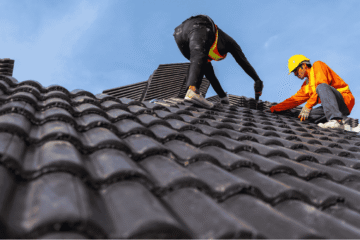
Before adding any roof-mounted equipment, homeowners should inspect the condition of their roof. Installing a solar attic fan on an aging or damaged roof may create additional problems.
Roof inspections should identify:
- Damaged shingles
- Existing leaks
- Weak areas around installation points
- Aging roofing materials
A properly sealed installation prevents water intrusion and protects the roof structure.
Professional installation is often recommended because incorrect mounting or sealing can lead to moisture issues.
Improve Energy Efficiency With Better Attic Airflow
One of the main reasons homeowners install solar attic fans is to improve energy efficiency. When attic temperatures are reduced, cooling systems may not need to operate as frequently during hot weather.
Improved attic airflow can help maintain more stable indoor temperatures and reduce cooling demand.
Additional energy efficiency improvements may include:
- Upgrading attic insulation
- Sealing air leaks
- Improving roof ventilation balance
- Installing reflective roofing materials
Combining ventilation improvements with insulation upgrades often creates better long-term performance.
Reduce Moisture Problems Through Proper Ventilation
Although solar attic fans are commonly associated with summer heat reduction, attic ventilation also plays an important role in moisture control.
Poor ventilation can allow humidity to build up inside attic spaces, especially during seasonal temperature changes. Excess moisture can contribute to mold growth, damaged insulation, and wood deterioration.
A properly ventilated attic helps remove humid air and maintain healthier moisture levels.
However, homeowners should also address moisture sources such as plumbing leaks, roof leaks, or inadequate bathroom ventilation.
Combine Solar Attic Fans With Smart Home Improvements
Modern homeowners are increasingly combining energy-efficient upgrades to create smarter and more comfortable homes.
Solar attic fans can work alongside improvements such as insulation upgrades, smart thermostats, energy-efficient windows, and HVAC maintenance.
A complete approach helps improve overall home performance rather than relying on one solution alone.
Energy-efficient improvements work best when different systems support each other.
Understand Maintenance Requirements
Solar attic fans generally require minimal maintenance, but regular inspections help ensure reliable performance.
Homeowners should periodically check:
- Solar panel cleanliness
- Fan operation
- Roof sealing around the unit
- Dust or debris buildup
- Electrical components
Dust and dirt on solar panels can reduce energy production, while mechanical issues may reduce airflow performance.
Regular maintenance helps extend system lifespan and ensures consistent ventilation during hot weather.
Consider Climate and Sun Exposure
Solar attic fans are most effective in areas that receive strong sunlight throughout the year. Homes located in sunny climates can benefit significantly because the fan receives enough solar energy to operate during peak heat periods.
Homeowners should evaluate:
- Average sunlight availability
- Roof orientation
- Seasonal weather patterns
- Local temperature conditions
In areas with limited sunlight, alternative ventilation solutions may provide better performance depending on specific needs.
Final Thoughts
Solar attic fan installation can be a valuable home improvement upgrade for reducing attic heat buildup, improving roof ventilation, and increasing summer comfort. By using renewable solar energy, these systems provide an efficient way to remove hot air while reducing pressure on cooling systems.
The best results come from proper planning, including evaluating existing ventilation, choosing the right fan size, selecting an effective installation location, and maintaining the system regularly. When combined with insulation improvements and other energy-efficient upgrades, solar attic fans can contribute to a more comfortable and efficient home.
Frequently Asked Questions (FAQs)
How does a solar attic fan reduce home cooling costs?
A solar attic fan removes hot air from the attic, reducing heat transfer into living areas and helping air conditioning systems operate more efficiently during hot weather.
Are solar attic fans effective in all climates?
Solar attic fans work best in areas with strong sunlight and high summer temperatures. Their effectiveness depends on climate conditions, attic design, and proper ventilation.
Can I install a solar attic fan myself?
Some homeowners with roofing experience may install smaller systems, but professional installation is recommended to ensure proper placement, sealing, and ventilation balance.
Does a solar attic fan replace attic insulation?
No, a solar attic fan and attic insulation serve different purposes. Ventilation removes excess heat, while insulation reduces heat transfer between attic and living spaces.
How long do solar attic fans typically last?
With proper installation and maintenance, quality solar attic fans can provide reliable performance for many years while helping improve attic ventilation efficiency.