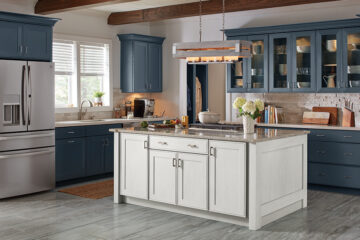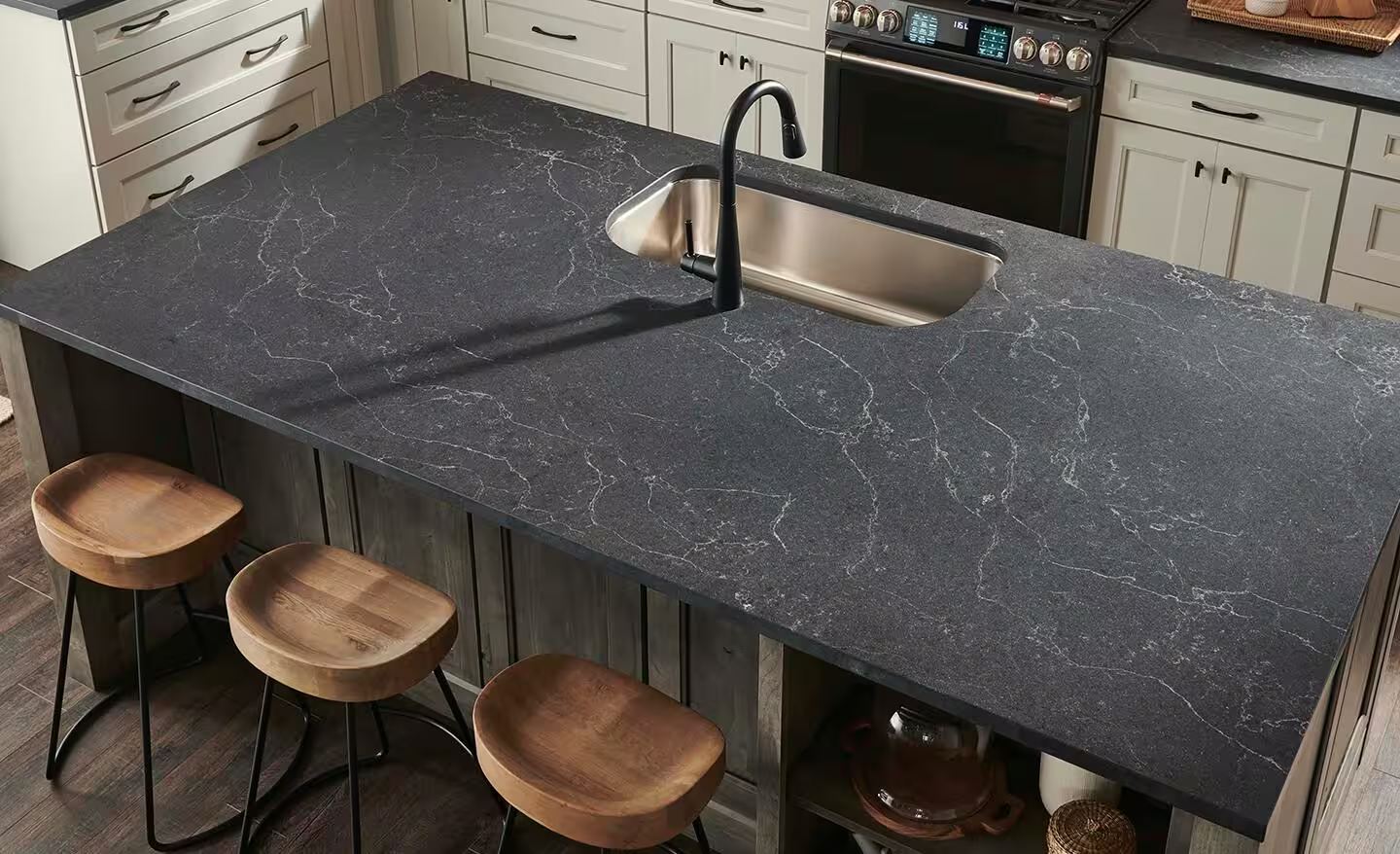
Choosing the right countertop material is one of the most impactful decisions you make when designing or renovating a kitchen or bathroom. Two of the most popular options homeowners consider are granite and quartz. Both offer beauty and durability, but they differ in performance, maintenance, cost, and look. Understanding these differences will help you make the best choice for your space and lifestyle.
Here’s a clear comparison to guide your decision.
What Are Granite and Quartz?
Granite
Granite is a natural stone quarried from the earth. Each slab is unique, with natural patterns, colors, and mineral variations. Because it is formed over millions of years, no two pieces look exactly the same.
Quartz
Quartz countertops are engineered stone, meaning they are manufactured using crushed natural quartz particles mixed with resins and pigments. This process creates a surface that looks consistent and uniform.
Appearance and Style
Granite
- Natural Variation: Each slab has unique veining, speckles, and color variations.
- Earthy Look: Granite often has deep, natural patterns that give a sense of organic beauty.
- Unique Aesthetic: Ideal if you want a one‑of‑a‑kind surface with natural character.
Quartz
- Uniform Appearance: Quartz surfaces are consistent in pattern and color.
- Modern Styles: Available in a wide range of colors, including options that mimic marble or concrete.
- Customizable: Because it is engineered, you can choose very specific styles and colors.
Durability and Strength
Granite
- Heat Resistant: Withstands hot pots and pans, though trivets are still recommended.
- Scratch Resistant: Hard and durable, but extreme force can still damage it.
- Seams and Edges: Natural stone may show seams more visibly.
Quartz
- Extremely Durable: One of the hardest surfaces available due to engineered design.
- Non‑Porous: Does not absorb liquids, making it highly resistant to staining.
- Consistent Durability: Resists scratches, chips, and everyday wear better than many natural stones.
Maintenance Requirements
Granite
- Requires Sealing: Granite is porous; it needs periodic sealing (usually yearly) to prevent stains and moisture penetration.
- Cleaning: Gentle cleaners are recommended; acidic or abrasive products can damage the seal or surface.
Quartz
- Low Maintenance: Does not require sealing because it is non‑porous.
- Easy Cleaning: Mild soap and water are usually sufficient. Most everyday spills don’t penetrate the surface.
Resistance to Stains and Bacteria
Granite
- Can absorb liquids if not sealed properly, leading to stains.
- Sealing is necessary to protect against bacteria and odors.
Quartz
- Naturally non‑porous, which means it resists stains and bacterial growth without sealing.
- Better suited for families and busy kitchens where hygiene is a priority.
Heat Resistance
Granite
- Performs well with hot pots and pans placed directly on the surface.
- Still advisable to use trivets to protect both stone and seal.
Quartz
- Engineered resins make quartz less heat resistant than granite.
- Prolonged exposure to high heat can cause discoloration or damage, so always use hot pads or trivets.
Cost Comparison
Granite
- Price varies widely based on slab rarity, thickness, finish, and edge detail.
- Typically in a mid‑to‑upper price range.
Quartz
- Often slightly more expensive than average granite due to manufacturing and brand pricing.
- Premium design options can be higher in cost.
Exact prices vary by region, slab quality, installation complexity, and local labor rates.
Longevity and Value
Granite
- Adds a classic, natural stone appeal that can boost resale value.
- With proper care, it can last decades.
Quartz
- Durable and long‑lasting, often outlasting the lifespan of cabinetry.
- Non‑porous properties make it ideal for long‑term performance and low maintenance.
Installation Considerations
Both materials require professional installation because they are heavy and need precision cutting, leveling, and sealing (for granite). Quartz installation may be slightly easier due to the uniformity of slabs and lower likelihood of variation.
Which Should You Choose?
Here’s a simplified way to decide:
Choose Granite If You Want:
- A natural, unique look with distinctive patterns.
- A surface that handles heat well without concern.
- The timeless appeal of natural stone.
Choose Quartz If You Want:
- Low maintenance with no sealing required.
- A surface that is stain‑resistant and hygienic.
- A wide range of consistent color options, including modern designs.
Final Thoughts
Both granite and quartz are excellent countertop materials that can elevate the look and value of your home.
Granite offers natural beauty and heat resistance, while quartz delivers durability, consistency, and ease of care. Your choice should reflect your lifestyle, design preferences, and long‑term priorities.
If you want, I can also create a room‑by‑room design guide showing how to pair granite or quartz with cabinets, flooring, and lighting for a cohesive kitchen or bathroom renovation. Just let me know which space you want to focus on.
Explore the latest entertainment news and reviews at RealErome.