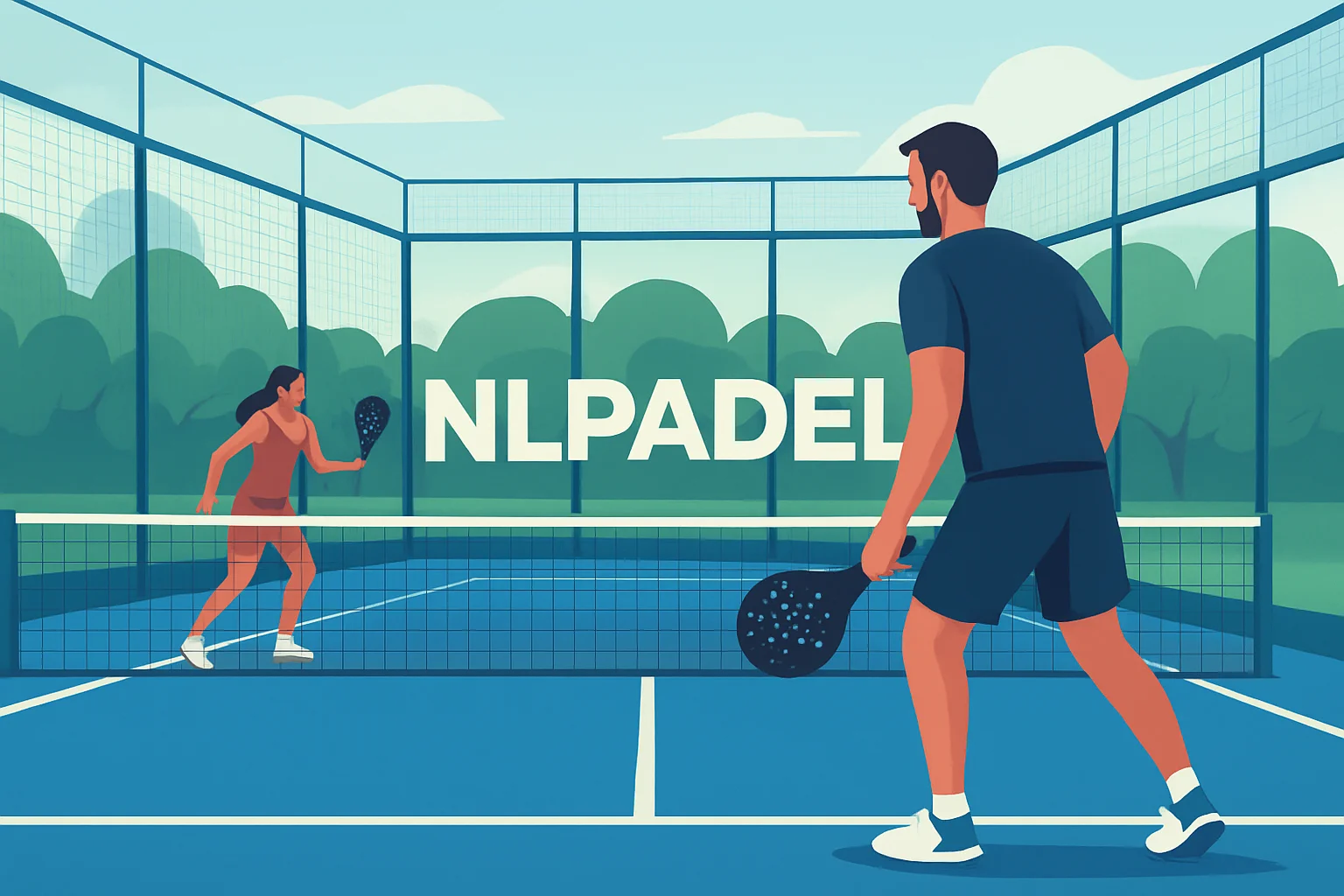
NLPadel, the ecosystem that has grown around the sport, is more than just a trend. It is shaping how people in the Netherlands are choosing to move, socialize, compete, and even do business. What started as a relatively unknown racket sport has now become a fast-growing lifestyle, and we are right in the middle of it.
We’ll walk through what NLPadel really means, how the ecosystem developed, why it fits so well with Dutch culture, and where we see it going next. This is not just about courts and rackets. It’s about community, energy, and a new way of enjoying sport together.
How Padel Found Its Place in the Netherlands
Padel didn’t start in the Netherlands, but once it arrived, it felt like it belonged here. We already love cycling, football, tennis, and any activity that combines movement with social interaction. Padel fits perfectly into that mindset.
The first courts appeared quietly, often next to tennis clubs. At first, people were curious. Then they tried it. And once they played, most of them stayed. Within a few years, padel courts began popping up in cities, towns, industrial halls, and even temporary pop-up locations.
NLPadel grew naturally because people talked about it. Friends invited friends. Tennis players brought teammates. Footballers discovered it during off-season. Before long, the ecosystem started forming around the sport.
What Makes NLPadel Different
Every country has padel now, but NLPadel has its own character. We keep things open, friendly, and accessible. You don’t need to be a professional athlete or a club member for years to feel welcome.
In the Netherlands, padel is:
- Social before competitive for most players
- Mixed in age, gender, and skill level
- Strongly connected to community life
- Focused on enjoyment as much as performance
We play matches, but we also hang out after. We compete, but we laugh a lot. That balance is a key part of the NLPadel identity.
The Role of Clubs and Locations
Clubs are the backbone of NLPadel. Some are traditional sports clubs that added padel courts. Others are fully dedicated padel centers with modern facilities, lighting, music, and lounge areas.
What they all have in common is the focus on experience. We don’t just book a court and leave. We meet, have a drink, watch other matches, and make new connections.
Indoor padel has also been a game changer. With Dutch weather being unpredictable, indoor courts allow us to play year-round. That consistency helped NLPadel grow faster and stronger.
Players at the Heart of the Ecosystem
The real power of NLPadel comes from the players. Beginners, intermediates, advanced players, juniors, seniors, and everyone in between. The diversity is one of the sport’s biggest strengths.
Many players start with no background in racket sports. Others come from tennis, squash, or badminton. Padel levels the playing field because tactics and teamwork matter more than pure strength.
We see:
- Friends playing weekly social matches
- Couples joining mixed leagues
- Companies organizing team events
- Families sharing courts across generations
That mix keeps NLPadel vibrant and welcoming.
Coaching, Training, and Development
As NLPadel matured, coaching and training became more professional. Certified coaches, structured lessons, and development programs are now a big part of the ecosystem.
We no longer see padel only as a fun activity. For many, it’s a sport they want to improve in. Training sessions focus on technique, positioning, communication, and match awareness.
Junior development is especially important. More kids are picking up padel at a young age, and that ensures the future of NLPadel stays strong.
Competitions and Leagues
Competition is another pillar of NLPadel. From friendly local leagues to national tournaments, there’s something for everyone.
We have:
- Social leagues for beginners
- Competitive ladders for regular players
- Weekend tournaments with full-day programs
- Corporate leagues for businesses
- Youth and senior competitions
What makes these events special is the atmosphere. Even during intense matches, the vibe stays positive and respectful. Competition brings people together rather than pushing them apart.
The Social Side of NLPadel
Padel is social by design. The enclosed court, doubles format, and short rallies encourage communication and teamwork. In NLPadel, that social element extends far beyond the game itself.
After matches, people stay. They talk, eat, drink, and plan the next session. Many friendships and even business relationships start on a padel court.
For some, NLPadel becomes their main social circle. It’s not unusual to play three or four times a week with different groups. That sense of belonging is a big reason why people stick with the sport.
Businesses and Brands Around NLPadel
As the ecosystem grew, businesses followed. Equipment brands, clothing lines, court builders, event organizers, and media platforms all became part of NLPadel.
Local brands play an important role. They understand the Dutch market and community. They sponsor events, support clubs, and invest in grassroots growth.
We also see cafés, gyms, physiotherapists, and wellness services partnering with padel clubs. NLPadel is not just about sport anymore, it’s connected to lifestyle and health.
Content, Media, and Community Voice
Another sign of a strong ecosystem is storytelling. NLPadel has its own voice through social media, videos, podcasts, and local coverage.
Players share highlights, funny moments, and match results. Clubs promote events and achievements. Coaches explain tips and tactics. All of this content helps new players feel connected even before they step onto a court.
This organic sharing is powerful. It keeps NLPadel visible and relatable, not distant or elite.
Why NLPadel Works So Well in Dutch Culture
Padel fits our culture in a natural way. We value:
- Equality and accessibility
- Social interaction
- Active lifestyles
- Community over status
NLPadel reflects those values. You can play with anyone. You don’t need expensive gear to start. You can improve at your own pace. And you’re always part of a group.
We don’t overcomplicate things. We play, enjoy, and grow together.
Challenges and Growing Pains
Of course, growth also brings challenges. Court availability, peak-time demand, and maintaining quality coaching are ongoing topics.
There’s also the need to balance commercial growth with community values. NLPadel should stay open and inclusive, even as it becomes more professional and business-driven.
These challenges are part of any successful ecosystem. The key is how we handle them together.
The Future of NLPadel
Looking ahead, the future of NLPadel feels strong and exciting. We expect:
- More courts in urban and rural areas
- Stronger youth programs
- Higher competitive standards
- More integration with schools and companies
- Continued growth in women’s and mixed play
Technology may also play a bigger role, from smart booking systems to match analysis and online communities.
But no matter how big it gets, the heart of NLPadel should remain the same: people enjoying the game together.
Why NLPadel Is More Than a Sport
At its core, NLPadel is about connection. It’s about meeting after work, staying active, laughing during mistakes, and celebrating small victories.
We’re not just building better players. We’re building healthier routines, stronger communities, and a shared culture around movement and fun.
That’s why NLPadel is not just a phase. It’s becoming part of how we live, play, and connect in the Netherlands.
Final Thoughts
NLPadel is still evolving, and that’s what makes it exciting. We’re shaping it together every time we step onto a court, organize a match, coach a beginner, or cheer from the sidelines.
The ecosystem around padel in the Netherlands shows what happens when a sport truly fits the people who play it. It grows naturally, stays inclusive, and becomes something bigger than the game itself.