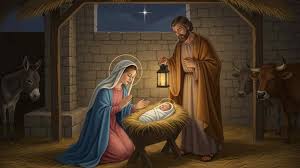
When we hear the word Nativität, it may sound a bit formal or old-fashioned, but it carries rich meanings that connect both astrology and culture. At its core, the term comes from Latin nativitas, which literally means birth or origin. Over time, this word has grown to describe several concepts—from the positions of stars and planets at the moment we are born, to religious traditions like the Christmas nativity scene, and even more generally, to the idea of someone’s origin or beginning.
We’ll explore all these angles. We’ll take a casual but informative journey through the astrological meaning of Nativität, its cultural and religious associations, and why understanding it can give us a new perspective on life, destiny, and personal identity.
Quick Overview of Nativität
Before we dive deeper, here’s a simple snapshot of what Nativität means:
- Astrology: The term is used to describe a person’s birth chart, showing the positions of planets and stars at the exact moment of their birth.
- Religious/Cultural: In Christianity, it refers to the Nativity, the story of Jesus Christ’s birth, often represented in festive scenes around Christmas.
- General Meaning: It can also simply mean birth, origin, or beginning, often in a personal or historical context.
Essentially, Nativität connects us with the idea of where we come from, whether that’s literally, spiritually, or cosmically.
Nativität in Astrology
When we talk about Nativität in an astrological sense, we are diving into something fascinating. Astrology is the study of how celestial bodies—planets, stars, the sun, and the moon—affect our lives and personalities. A Nativität, or natal chart, maps out these positions at the exact moment we are born.
What a Birth Chart Shows
A birth chart is like a cosmic snapshot of the universe at the time of your birth. It includes:
- The Sun Sign: Represents your core identity, ego, and life purpose.
- The Moon Sign: Shows your emotions, instincts, and inner self.
- The Ascendant (Rising Sign): Reflects how others perceive you and how you approach the world.
- Planetary Positions: Each planet influences different aspects of life—for example, Mercury for communication, Venus for love, and Mars for action.
- Houses and Aspects: The chart is divided into 12 houses, each representing a life area (career, relationships, home, etc.), and the angles between planets (aspects) show how these energies interact.
By analyzing these elements, astrologers can provide insights into personality, strengths, challenges, and life paths.
Who is a “Native”?
In astrology, the person for whom the Nativität or birth chart is cast is called a native. This doesn’t just mean someone born under a zodiac sign—it’s someone whose life is being mapped through celestial influence. We often think of astrology as predicting the future, but at its core, Nativität is about understanding ourselves. Knowing our chart can help us identify our natural tendencies, motivations, and even patterns that repeat throughout life.
Why Nativität Matters
Many people overlook the power of understanding their Nativität. We often focus on external achievements or challenges, but a birth chart reminds us that we are also shaped by cosmic patterns. Think of it like this: if life is a journey, your Nativität is your cosmic roadmap. It won’t dictate every twist and turn, but it shows the paths where we are most aligned or challenged.
Nativität in Religious and Cultural Contexts
Outside astrology, Nativität also carries significant meaning in religion and culture, particularly in Christianity. Most people immediately think of Christmas nativity scenes, which depict the birth of Jesus Christ in Bethlehem.
The Nativity Story
The Nativity is more than just a festive decoration. It’s a story of hope, beginnings, and the miraculous nature of life. Traditionally, it includes figures like:
- Baby Jesus
- Mary and Joseph
- Shepherds and Wise Men
- Angels and animals
The scene represents birth, new beginnings, and divine intervention. Celebrating the Nativität in this way reminds us to reflect on our origins, the people who shaped us, and the small moments that lead to larger life stories.
Cultural Representations
Around the world, the Nativität has inspired art, music, theater, and festivals. Nativity plays are common in schools and churches, often retelling the story in a way that connects tradition with modern life. Even outside religious practice, nativity scenes have become symbols of family, community, and the joy of beginnings.
Nativität as Personal Origin
Another way to think about Nativität is in the simplest sense: birth and origin. Everyone has a Nativität—a moment, place, and context that define the start of life. We can extend this idea beyond astrology and religion into everyday life.
Understanding Our Roots
When we explore our Nativität in this sense, we ask questions like:
- Where was I born, and what cultural influences shaped me?
- What family or social circumstances influenced my early life?
- What early experiences have defined my personality and choices?
Reflecting on our Nativität can give us clarity about why we think, feel, or act the way we do. It can also foster gratitude for our journey and the people and events that shaped us.
Nativität in History and Identity
Historians and anthropologists often use the term to explore the “origin story” of communities, nations, or traditions. For example, tracing the Nativität of a city or a movement can reveal how its beginnings influence present-day culture and values. In this way, Nativität is more than personal—it’s collective.
How Nativität Connects Us
Whether in astrology, religion, or general origin, Nativität reminds us of our connection to the past and the universe. Here’s how:
- Self-Reflection: Looking at our birth chart or personal history helps us understand ourselves better.
- Connection to Others: By exploring shared origins or traditions, we see common threads that unite people.
- Perspective on Life: Recognizing that we are part of a larger story—cosmic or cultural—can help us navigate challenges with meaning and purpose.
Practical Ways to Explore Your Nativität
We can bring Nativität into daily life in practical ways:
- Astrological Exploration: Create your birth chart and learn what it reveals about your strengths, challenges, and tendencies.
- Reflect on Personal Origins: Journal about your family, childhood, and key life moments to better understand your journey.
- Celebrate Cultural or Religious Traditions: Engage with nativity scenes, stories, or rituals that remind you of beginnings and hope.
- Connect with Community: Explore the shared histories of your community or country to see how collective Nativität shapes identity.
By combining these approaches, we gain a holistic view of where we come from, who we are, and how we fit into the larger story of life.
Common Misconceptions About Nativität
Since Nativität touches multiple areas—astrology, religion, personal history—it’s easy to misunderstand. Here are a few common myths:
- Myth 1: Astrology predicts your future perfectly.
Your Nativität gives tendencies and influences, not a strict script. Free will and choice are always part of the story. - Myth 2: Nativity scenes are just for Christmas.
They represent universal themes of birth, hope, and new beginnings, which can be appreciated year-round. - Myth 3: Nativität only matters for special people.
Every individual has a birth story and a personal Nativität. Understanding it benefits everyone, not just astrologers or religious practitioners.
Wrapping Up
Nativität is a beautiful, multifaceted concept that invites us to reflect on birth, origin, and beginnings. Whether we approach it through the lens of astrology, religious tradition, or personal history, it reminds us that understanding where we come from is the first step toward understanding who we are and where we are going.
By exploring your cosmic birth chart, reflecting on your personal origins, and appreciating cultural or religious representations, you can connect with the deeper meaning of life. Nativität encourages curiosity, self-awareness, and a sense of belonging—not just to the people around us, but to the universe itself.