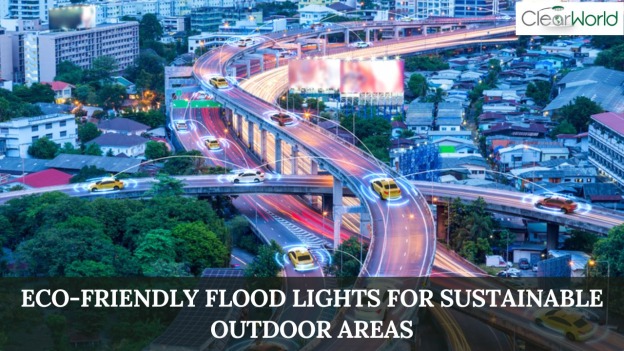
Outdoor areas need a very high intensity of lighting so that people can see and feel safe, and use the area after sunset. As the issue of energy efficiency has become a major concern in government and privately owned projects, the more the lighting solutions need to offer a balance between performance and environmental concerns. The Eco-Friendly Flood Lights provide a high-intensity coverage and lower the energy consumption, in addition to fostering sustainable infrastructure ambition.
Large open areas such as parking lots, sports complexes, industrial yards, and open spaces need frequent maintenance light supply. The traditional flood lights tend to be energy-consuming as well as requiring regular care. A smarter answer to a large area lighting is greener alternatives that are powered by advanced LED as well as renewable sources of energy.
By redesigning and implementing the flood lighting, the organizations will be in a position to increase the effectiveness of their operations, besides meeting the objectives of conserving the environment.
Redefining High Intensity Illumination
Energy Efficient Performance
The new types of flood lights consist of sophisticated LED parts that emit high brightness, requiring a low amount of power. This efficiency saves on the total energy consumption, and it does not compromise the standard of high visibility.
Optimized Light Distribution
Flood lights, when well designed, give a uniform light around a large area. Even coverage eradicates the dark spots and enhances the visibility of the vehicles, pedestrians, and security surveillance.
Reduced Heat Output
Energy-efficient lighting does not generate excess heat compared to traditional systems. Reduced heat production enhances the life cycle of the system and helps it to remain stable in harsh outdoor environments.
Supporting Sustainable Infrastructure
Integration with Renewable Energy
Flood lights can be combined with solar power systems to function without the need to be connected to the normal electricity systems. This will aid in the development of clean energy and in reducing the use of fossil fuels.
Lower Carbon Impact
Use of reduced electricity also results in fewer carbon emissions. Sustainable flood lighting systems enable organizations to achieve their goals in terms of environmental objectives without compromising on functionality.
Minimal Environmental Disruption
Contemporary designs are aimed at making light flow where required. Low light emission minimizes the unwanted light leakage and conserves the surrounding ecosystems.
Applications Across Outdoor Environments
Commercial and Industrial Sites
Efficient lighting is required in warehouses, manufacturing, and distribution centers, and requires its productivity and safety. Flood lights that are sustainable provide constant visibility and regulate the costs.
Public Infrastructure and Parking Areas
The positive effect of city areas is that the lighting is energy efficient, making the areas safer and more visible. Flood lights are provided in open areas such as parking areas and transportation centers that do not have any unnecessary high-energy demands.
Recreational Facilities
Community centers and sports fields need high-intensity lighting. The flood lighting systems are eco-conscious, giving reliable performance during evening hours and meeting sustainability objectives.
Design and Durability Considerations
Weather-Resistant Construction
Floodlights used outside should be able to withstand weather conditions such as rain, wind, and change of temperatures. Internal systems are shielded by durable materials and closed elements and ensure long-term reliability.
Smart Lighting Controls
Advanced control systems are controlled automatically, programmed, and dimmed. These features ensure optimization of energy usage and also increase the lifespan of the lighting equipment.
Long Term Operational Value
Reduced maintenance costs and efficient components decrease the cost of the lifecycle. The organizations enjoy reliable light with minimal service failures.
Balancing Performance and Responsibility
The example of sustainable flood lighting shows that it is possible to combine high-output lighting with environmental stewardship. With the focus on effective technology and renewable incorporation, the large-scale lighting systems will be able to fulfill the current demands of performance and responsibility.
This middle ground will help in promoting safer conditions and will also be a part of the broader sustainability throughout the industries and communities.
Conclusion
Eco-Friendly Flood Lights are strong and a responsible solution to the illumination of a big open space. The integration of energy efficiency, renewable integration, durable construction, and smart controls makes these lighting systems provide reliable performance as well as support the long-term environmental and operational objectives.
Keep an eye for more latest news & updates on Erome!