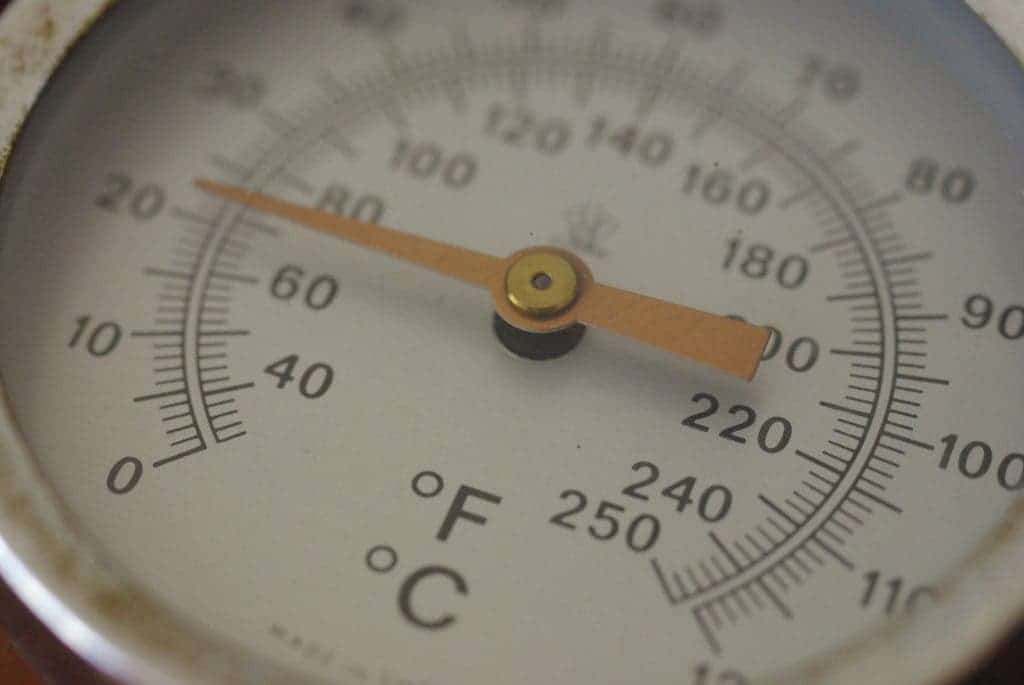
Temperature conversions are something we encounter often, especially when different regions of the world use different scales. One common example is 36.7 C to F, a conversion many people look up when checking their body temperature or reading reports related to weather or science. This article dives deep into what 36.7 C represents, how it converts to Fahrenheit, and why understanding both temperature scales is important.
Basics of Temperature Scales
Before discussing 36.7°C in particular, it’s essential to understand the two scales involved:
Celsius (°C):
This is the most widely used scale globally, especially in science and daily weather reporting outside of the United States. On this scale, water freezes at 0°C and boils at 100°C at standard atmospheric pressure.
Fahrenheit (°F):
This scale is used mainly in the United States and a few other countries. Here, water freezes at 32°F and boils at 212°F under the same conditions.
Both scales measure the same thing—temperature—but they use different starting points and increments, which makes conversion necessary when comparing readings.
Why 36.7°C is Significant
A temperature of 36.7°C is most commonly referenced in the context of human body temperature. It is considered to be within the normal range for a healthy adult. Medical professionals often refer to average body temperature as 37°C, but slight variations are perfectly normal.
When converted to Fahrenheit, 36.7°C equals 98.06 F, which is very close to the widely known “normal” temperature of 98.6°F in the United States. Knowing this value can help people interpret thermometer readings, especially when traveling between countries that use different measurement systems.
The Conversion Formula
The formula for converting Celsius to Fahrenheit is straightforward:
Fahrenheit = (Celsius × 9/5) + 32
Now, applying this formula to 36.7°C:
- Multiply 36.7 by 9:
36.7 × 9 = 330.3 - Divide by 5:
330.3 ÷ 5 = 66.06 - Add 32:
66.06 + 32 = 98.06°F
So, 36.7°C = 98.06°F.
How Accurate Is 36.7 C?
While 36.7°C is often cited as a typical body temperature, it’s worth noting that normal readings can vary slightly. Factors such as time of day, activity level, and the method of measurement (oral, ear, forehead) can produce readings between 36°C and 37.5°C.
For example:
- Morning readings may be slightly lower due to the body’s lower metabolic activity during sleep.
- After exercise, body temperature may rise above 37°C temporarily.
Celsius vs. Fahrenheit in Different Fields
Medical Use
Healthcare systems in most countries rely on Celsius. Thermometers, hospital charts, and clinical guidelines are usually provided in °C. However, in the U.S., medical professionals commonly use Fahrenheit.
Weather Reporting
Meteorologists use both systems depending on the country. Understanding conversion is essential when interpreting temperature data from global sources.
Industry and Science
Celsius is the preferred unit in scientific research and industrial applications. Fahrenheit is rarely used outside of the U.S. for these purposes.
Why Learn Temperature Conversion?
Understanding how to convert 36.7 C to F and other similar values is not just an academic exercise. It has practical implications:
- Travel: Tourists often encounter weather forecasts in unfamiliar units.
- Cooking: Recipes may list oven settings in Celsius or Fahrenheit, requiring quick conversion.
- Healthcare: People reading thermometers need to know what their temperature means in their preferred scale.
Common Conversion Points for Reference
Here are a few quick Celsius-to-Fahrenheit equivalents that help put 36.7°C into context:
- 35°C = 95°F (slightly below normal body temperature)
- 36°C = 96.8°F
- 36.7°C = 98.06°F (healthy average)
- 37°C = 98.6°F (classic “normal”)
- 38°C = 100.4°F (low-grade fever)
This simple list can serve as a helpful memory guide.
Misconceptions About Body Temperature
One common misconception is that 98.6°F (37°C) is the only correct normal temperature. In reality, “normal” is a range, and 36.7°C fits comfortably within it. A reading slightly above or below does not automatically indicate illness unless other symptoms are present.
Quick Mental Conversion Tip
While calculators and online tools are convenient, sometimes you may need a quick estimate:
- Double the Celsius number (rough estimate) and add 30 for a quick conversion to Fahrenheit.
- For 36.7°C: Double = 73.4, plus 30 ≈ 103 (a bit high, but fast mental math).
This method isn’t exact, but it’s useful for rough estimations.
Final Thoughts
Converting 36.7 C to F gives us 98.06 F, a value widely recognized as part of the normal body temperature range. Beyond medical uses, understanding how to switch between Celsius and Fahrenheit is a practical skill useful in everyday life—whether you are cooking, traveling, or reading a scientific article.
By learning the conversion formula and understanding the meaning behind these numbers, you can confidently interpret any temperature reading, no matter which unit is used.