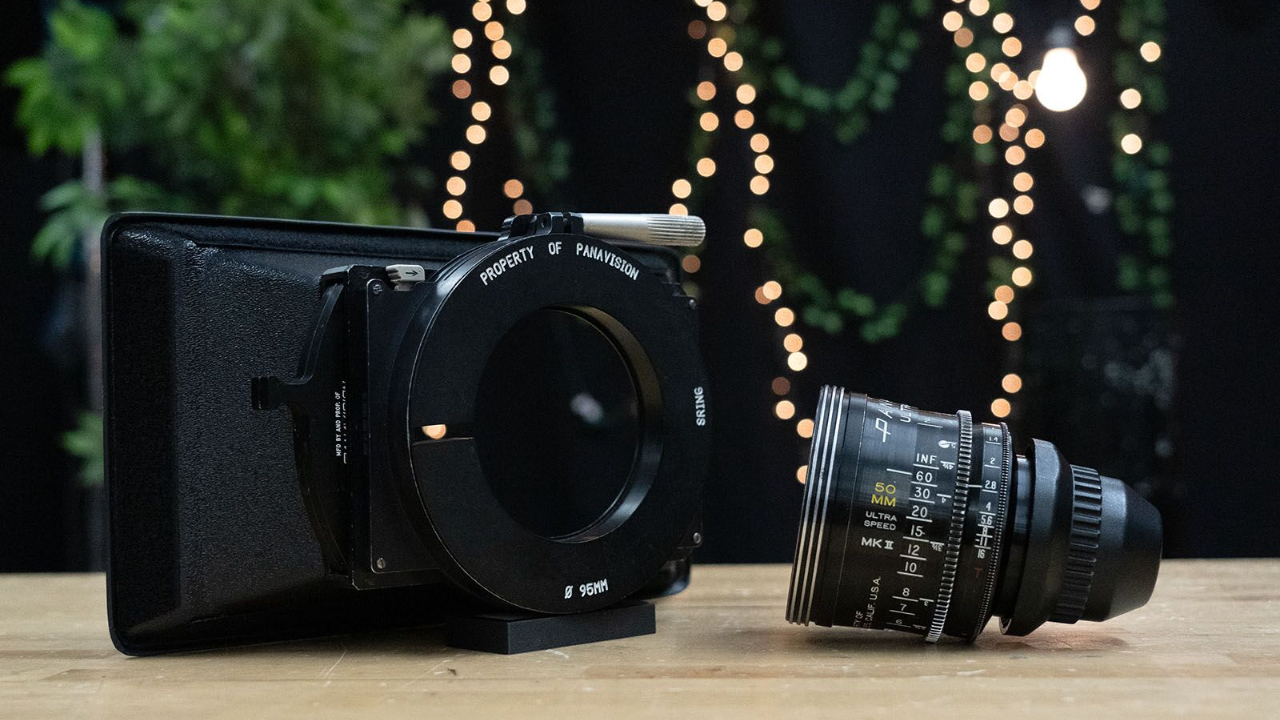
Photography has always been a mix of art and technology, and one of the most exciting parts of it is exploring lenses. While most people are familiar with the big names like Canon, Nikon, or Pentax, there’s a whole world of third-party lenses that deserve attention. One such name that pops up for vintage camera enthusiasts is Pantagonar. Often confused with Panagor or Pentacon, Pantagonar lenses carved out a special niche during the 1970s and 1980s. These lenses weren’t the flashy, expensive optics you’d find in first-party cameras, but they brought something else to the table—affordable, versatile, and surprisingly capable glass.
The Origins of Pantagonar
Pantagonar lenses came about at a time when photography was booming. In the 1970s, SLR cameras were becoming household items. Everyone wanted quality lenses, but not everyone could afford first-party optics. That’s where Pantagonar stepped in.
Unlike big brands that had their own factories and R&D departments, Pantagonar lenses were produced by various Japanese OEMs. These factories were experts at lens design and manufacturing, and they supplied multiple companies with optics. Pantagonar became a brand name associated with these third-party lenses, often marketed as “affordable alternatives” to more expensive brands.
One reason Pantagonar gained attention was that they often replicated the optical formulas of popular lenses. They might not have the same coatings or precision tolerances as the original, but they offered a similar field of view, focal length, and aperture performance—at a fraction of the price.
Build and Design: Vintage Feel, Solid Construction
If there’s one thing that stands out about Pantagonar lenses, it’s the build quality. These lenses were made during a time when cameras and lenses were mostly metal. That means we’re talking about heavy, robust lenses that feel satisfying to hold. Unlike modern plastic lenses, Pantagonars have that classic “click” when you adjust the aperture or focus.
Most Pantagonar lenses feature:
- All-metal barrels: Gives a premium, durable feel.
- Manual focus rings: Smooth, tactile, with enough resistance to let us focus precisely.
- Aperture rings: Full manual control with click stops for each f-stop.
- Compact form factor: Despite being metal, many Pantagonars are surprisingly small, making them portable.
For photographers who love tactile experience, these lenses are a dream. Turning the focus ring, feeling the aperture clicks, and looking through a crisp manual focus viewfinder is part of the charm.
Optical Performance: Not Just Budget Lenses
There’s a common misconception that third-party lenses like Pantagonar are “cheap” in terms of image quality. While they aren’t on par with top-tier modern lenses, many of them are more than capable of delivering sharp, contrasty images.
Pantagonars usually have:
- Decent sharpness in the center: Edges may be softer, especially on wider apertures.
- Pleasant bokeh: Background blur is generally smooth, which makes them good for portraits.
- Color rendition: Natural and neutral, not overly saturated.
- Minimal distortion on standard focal lengths: Wide-angles may show barrel distortion, but it can add character.
We’ve found that these lenses excel in controlled lighting or with digital sensors that allow us to tweak minor optical flaws in post-processing. They may not win any awards for lens engineering, but they have a signature “vintage” look that many photographers love today.
Popular Pantagonar Focal Lengths
Pantagonar lenses were produced in several focal lengths, catering to different photography styles:
- Wide-angle lenses (24mm–35mm): Great for landscapes, architecture, and street photography. These lenses offer expansive fields of view without being overly heavy.
- Standard lenses (50mm): Often considered the workhorse lens. Pantagonar’s 50mm lenses are sharp, compact, and perfect for general photography.
- Short telephoto (85mm–105mm): Ideal for portraits. These lenses deliver a flattering perspective and smooth background blur.
- Zoom lenses: While less common, Pantagonar also made some zooms like 35–70mm, although their primes are more sought after today.
Because these lenses were made for multiple camera mounts, we often find the same focal length adapted for Canon FD, Minolta MD, Pentax K, or even M42 screw mounts. This versatility made them accessible to a wider audience.
Using Pantagonar Lenses Today
Pantagonar lenses are enjoying a bit of a revival among vintage lens enthusiasts and mirrorless camera users. Why? Because adapting manual lenses to modern digital cameras is easier than ever. With a simple adapter, we can mount a Pantagonar on Sony, Fujifilm, or Canon mirrorless cameras and start shooting.
Here’s why we love using them:
- Compact and lightweight for vintage glass: Makes them easy to carry around.
- Manual control teaches discipline: No autofocus means we focus carefully, which improves technique.
- Vintage aesthetics: Photos have that classic 70s–80s lens character—unique bokeh, gentle vignetting, and natural contrast.
- Budget-friendly: You can often find these lenses for much less than modern equivalents.
Of course, using them requires patience. Focus must be done manually, and exposure settings need attention if shooting without modern metering aids. But that’s part of the fun!
Collecting Pantagonar Lenses
Collecting Pantagonar lenses is almost like collecting a piece of photography history. Prices are generally reasonable, but condition, mount type, and focal length can affect value.
We suggest looking for:
- Clean optics: No haze, fungus, or scratches.
- Smooth aperture and focus rings: Ensures the lens is still functional.
- Complete mounts: Some mounts are rarer than others, especially if you plan to adapt the lens to modern cameras.
Enthusiasts often enjoy mixing Pantagonars with other vintage lenses to experiment with different rendering styles. Each lens has its own character, and exploring the subtle differences is part of the thrill.
Comparing Pantagonar to Panagor and Pentacon
It’s easy to confuse Pantagonar with similar names. Panagor was another brand of third-party lenses, often using similar OEM factories. Pentacon, on the other hand, was a German company producing the well-known Praktica line of lenses.
The key difference is that Pantagonar:
- Was primarily Japanese-made
- Targeted the budget-friendly market
- Focused on manual primes with solid build quality
Panagor and Pentacon may share optical qualities, but Pantagonar carved out its niche with affordability and consistent performance across multiple camera systems.
Tips for Shooting With Pantagonar Lenses
When using these vintage lenses, there are a few things we keep in mind to get the best results:
- Stop down slightly: Shooting at f/2.8–f/4 often gives better sharpness than wide-open apertures.
- Check for lens flare: Older coatings may make them more prone to flare; using a hood can help.
- Embrace imperfections: Vignetting or slight softness at edges can add character to photos.
- Use live view for critical focus: Especially helpful when using them on mirrorless cameras.
- Experiment with portraits: The smooth bokeh and warm color rendition shine in portrait work.
We find that once you get used to the quirks of Pantagonar lenses, they become a creative tool rather than a limitation.
Why Pantagonar Still Matters
Even decades after their prime, Pantagonar lenses have retained their appeal. They represent a period in photography when quality optics were becoming accessible to everyday photographers. They remind us that you don’t need to spend thousands to get a satisfying image.
These lenses are also a bridge between past and present. They let us experience the feel of manual focus, the joy of experimenting with aperture control, and the thrill of capturing images with a lens that has history. For collectors, enthusiasts, or hobbyists, Pantagonar lenses are a fun way to explore photography in a hands-on, mindful way.
Final Thoughts
Pantagonar may not be as famous as Canon or Nikon lenses, but that’s exactly what makes them special. They are relics of a time when photography was evolving rapidly, offering quality glass without breaking the bank.
Whether we’re shooting landscapes, portraits, or street photography, these lenses remind us to slow down, focus manually, and appreciate the craft. For anyone curious about vintage photography or looking to add character to their images, Pantagonar lenses are definitely worth exploring.
Affordable, versatile, and full of charm, Pantagonar lenses are more than just “budget glass.” They’re a window into the history of photography, giving us a tangible connection to the golden era of SLR cameras.
Get the latest updates and alerts delivered to you RealErome!